Our Impact
Real drawings. Growing confidence. Stories from the children and classrooms bringing learning to life, one pencil stroke at a time.
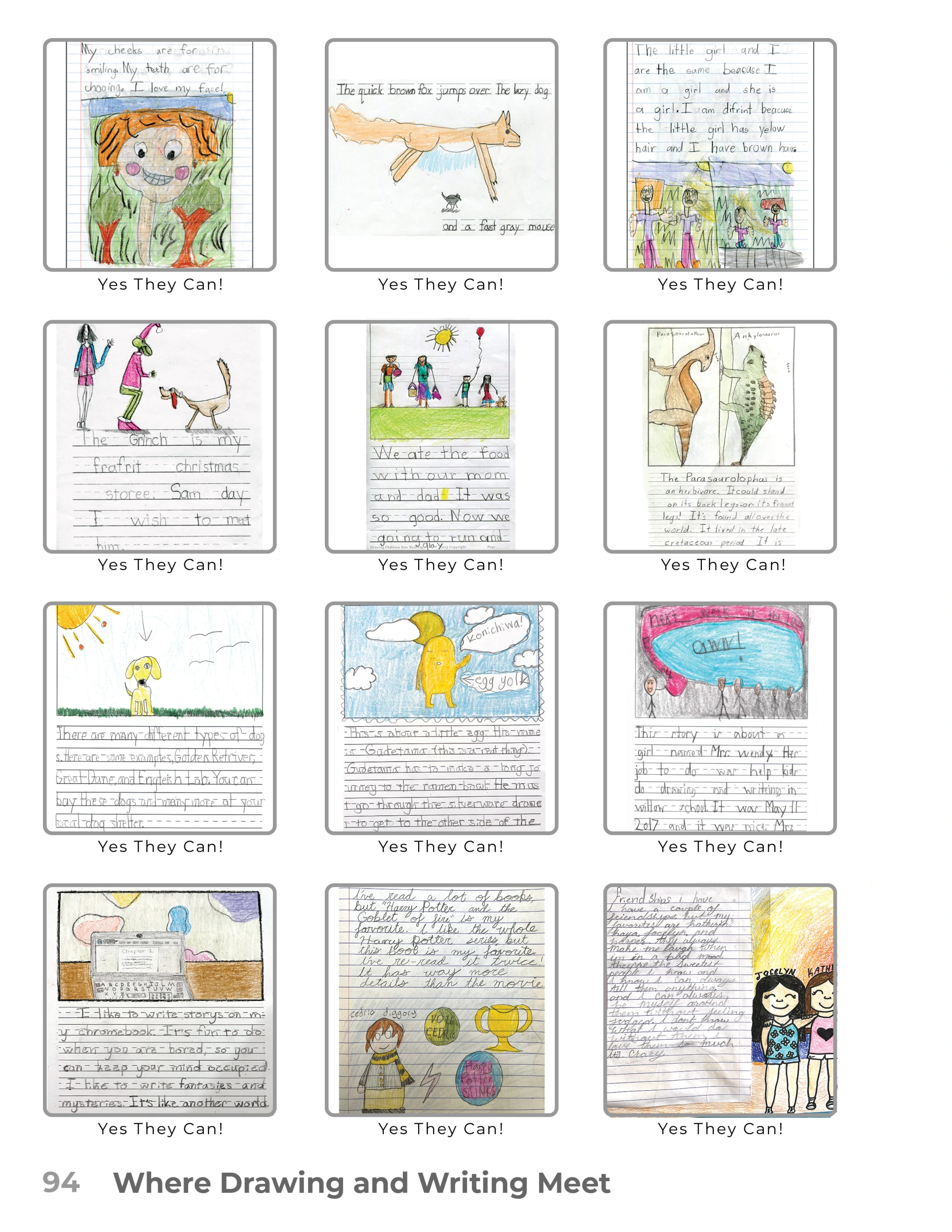
A few pages from their classrooms
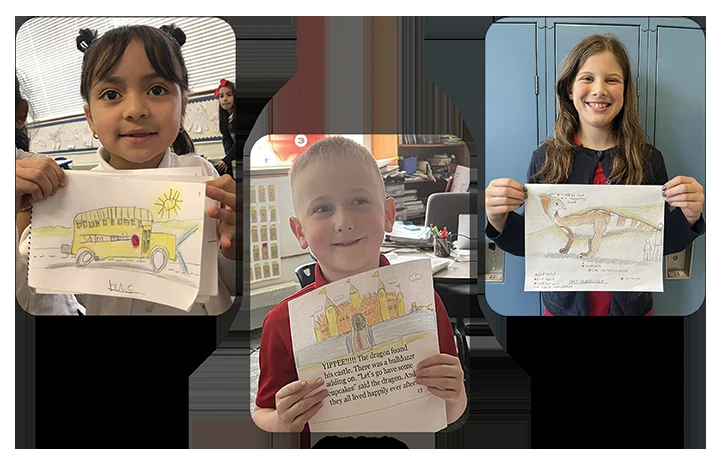
Growing with every grade
From a first pencil grip to illustrated research projects, explore the work and experiences shared by DCIR classrooms.
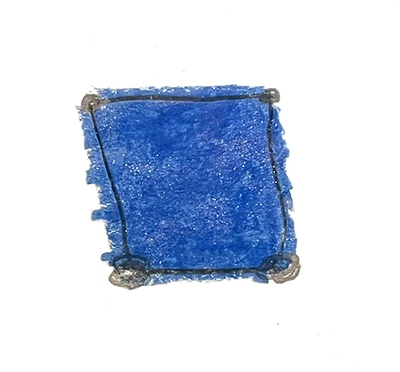
Preschool
Small hands discover pencil grip, shapes and the joy of drawing something recognizable.
See their story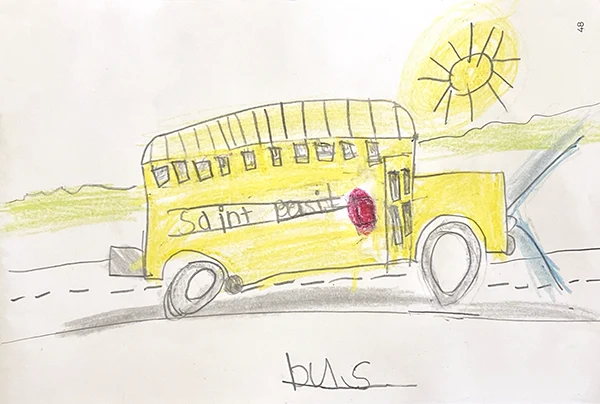
Kindergarten
Letter formation, drawing and daily practice help children become more willing to try.
See their story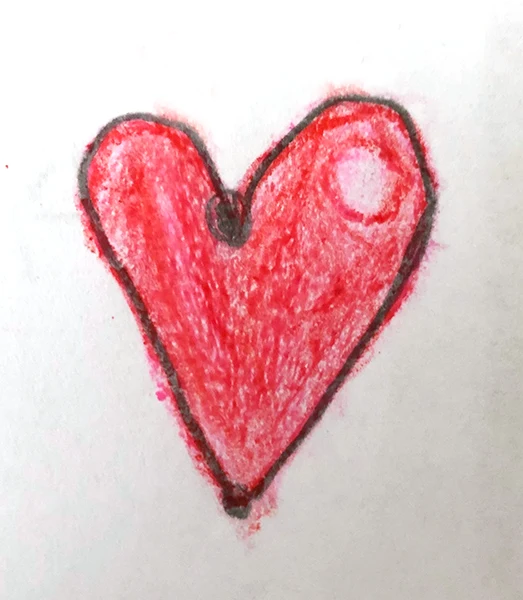
1st Grade
Children bring pictures and words together in books, sentences and handwriting practice.
See their story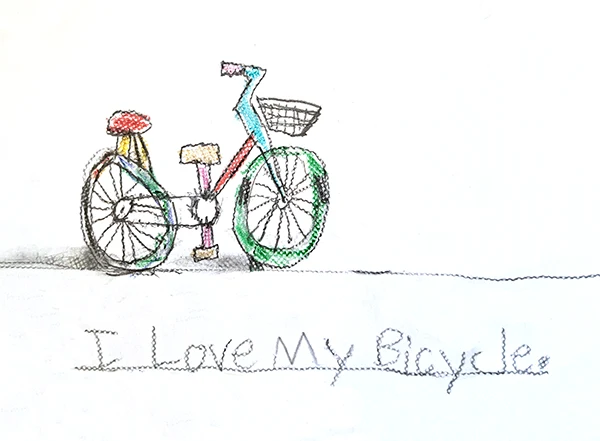
2nd–3rd Grade
Cursive becomes creative, with letter shapes, drawing and daily sight-word practice.
See their story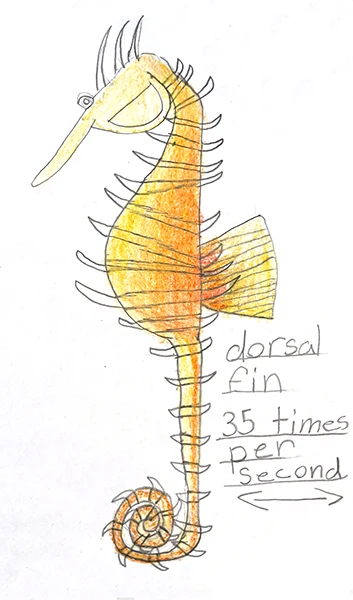
4th Grade
Journaling opens the door to longer stories and the confidence to share them.
See their story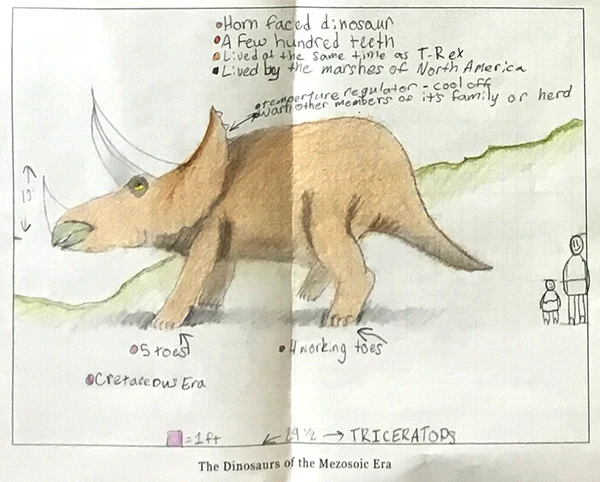
5th–6th Grade
Drawing, handwriting and subject review come together in increasingly independent work.
See their story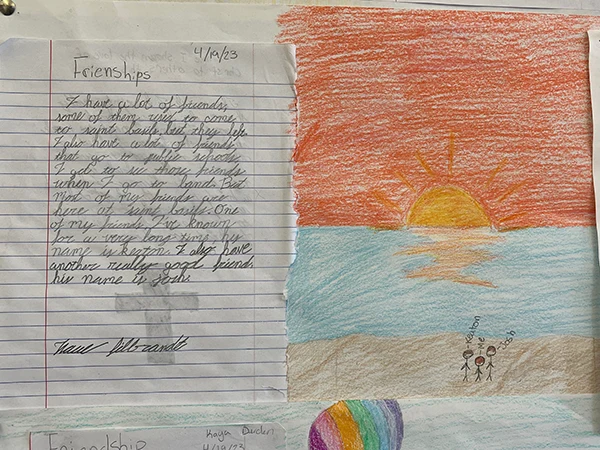
7th–8th Grade
Students bring research, measurement and creativity into detailed cross-subject projects.
See their storyA principal's perspective
“They are feeling more accomplished and confident in their capabilities, and they enjoy showing others their work.”
Camille DeLano, Principal
Read Camille's full account
“We are a preschool through grade 8 school and have been fortunate enough to be a part of the DCIR family the past couple years. We've thoroughly enjoyed not only working with Holley and Wendy, but also with the materials they produce. Last year, we initiated the DCIR program across all grades, Pre k - 8 . This was something new for Holley and Wendy, as they did not have lessons designed for older students. They have worked diligently with my staff to produce fabulous lessons across multiple curriculums, taking our input and turning it into reality. I cannot say enough wonderful things about them or the DCIR program. When our students began the program last year, we were still experiencing the effects of Covid disruptions to learning-students could not focus, they lacked basic skills in multiple areas, and they struggled with reading and writing. Implementing the program did not go without any bumps, as one year of Covid issues turned into two, but with Holley and Wendy's guidance, we were able to keep things moving forward. As the year progressed, student handwriting improved , their ability to write stories or journal became easier, and their attention to detail and the ability to sit and concentrate for a longer period of time increased. By the end of the year, we felt that we really made some progress. Fast forward to this year and the progress continues. Not only are they able to do what was described and do it well, but I am seeing the skills transfer to other areas, such as art and classroom projects that involve writing and drawing. They are feeling more accomplished and confident in their capabilities , and they enjoy showing others their work. Every year, I am bombarded with emails or mailings trying to sell me the latest in school improvement programs. Nothing has compared to DCIR in terms of concrete evidence; you can see the change and the transfer of knowledge from one year to the next. It is a phenomenal program and one that I plan to maintain in my building.”
The hands behind the learning
Since 2006, Wendy Anderson Halperin has developed drawing lessons that bring hands, eyes and ears together. The DCIR Impact archive shares how educators used drawing and daily writing practice to nurture children's skills, creativity and confidence.
These are classroom experiences and educator observations, not guarantees of individual results. The original accounts and student work are preserved from dcirimpact.org; today's DCIR lessons are free and donor-supported.
Where Drawing and Writing Meet